

A good shoulder workout doesn't always require heavy weights or complicated movements. Lateral raises are a simple exercise that helps target the side delts and build wider-looking shoulders.
Adding a few sets to your routine can help improve shoulder definition over time. Whether you're a beginner or an experienced lifter, learning the proper form can make each repetition more effective.
In this guide, we'll cover the muscles worked by lateral raises, how to perform the exercise correctly, and common mistakes to avoid for better results.
What Are Lateral Raises?

Lateral raises are a shoulder isolation exercise that involves lifting the arms out to the sides against resistance. Regular practice helps strengthen the shoulders, improve muscle definition, and create a broader, more balanced upper-body appearance.
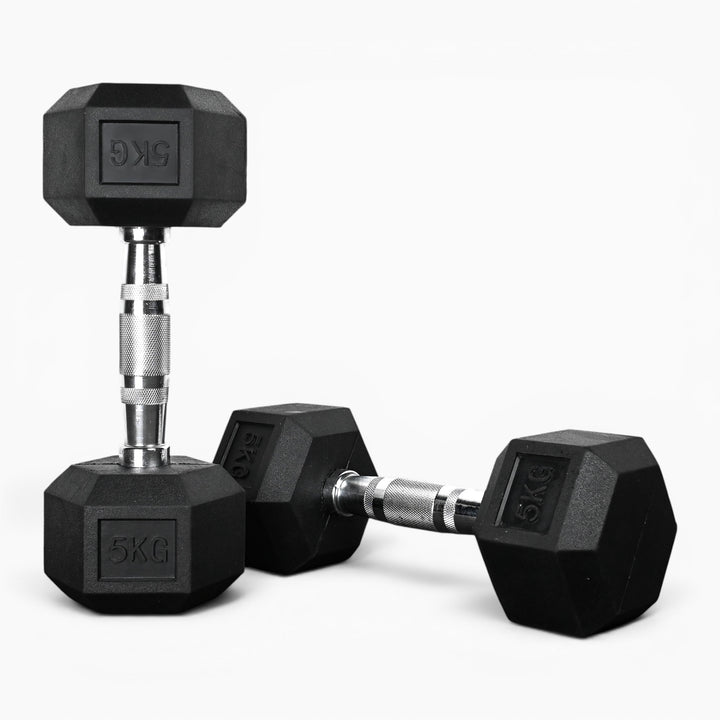
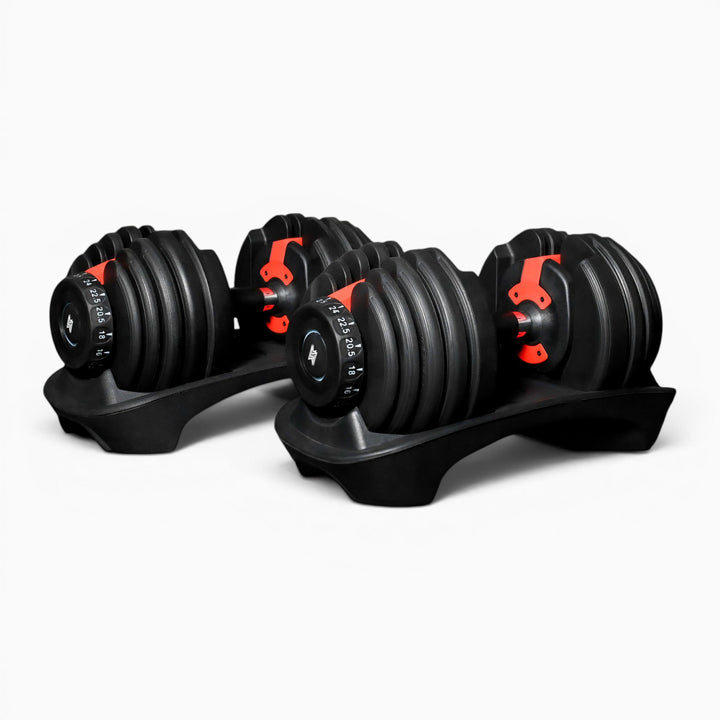
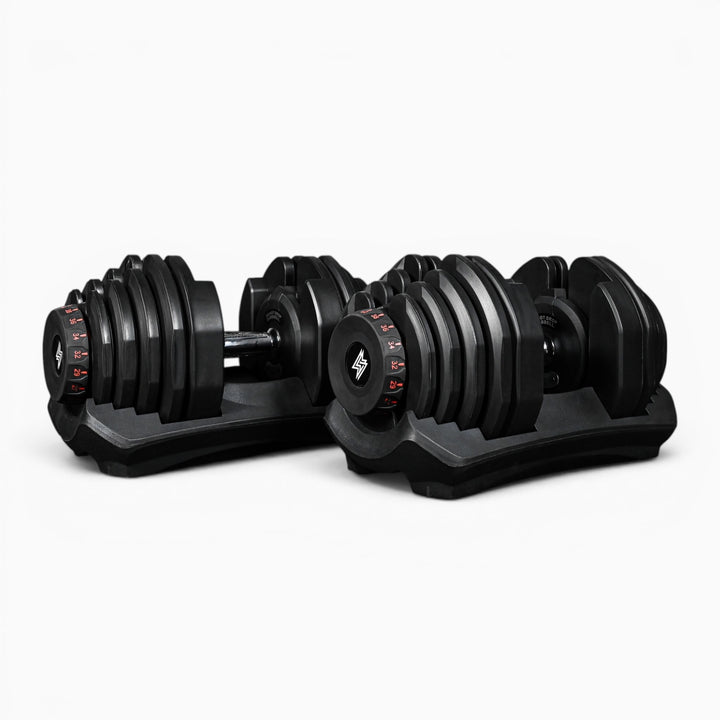
Dumbbells are a popular choice for this exercise, with adjustable weights allowing you to match the resistance to your fitness level. Cables and lateral raise machines are also suitable alternatives, each providing a different way to challenge the shoulder muscles.
What Muscles Do Lateral Raises Work?
Lateral raises primarily activate the lateral deltoids, but several other muscles contribute to the movement. Understanding the lateral raises muscles worked can help you learn how the exercise targets your shoulders.

Primary Muscle – Lateral Deltoid
Lateral deltoid is also known as the side delt, middle delt, or acromial head. Located on the outer part of the shoulder, it helps create a wider and more rounded shoulder appearance.
One effective way to train this muscle is through lateral raises using adjustable dumbbells. Raising the arms out to the sides with controlled movements targets the lateral deltoid and helps develop broader, stronger shoulders.
Supporting Muscles
Aside from the lateral deltoid, several other muscles also assist with the lifting motion and shoulder stability:
| Muscle | Function |
| Supraspinatus | Initiates arm elevation and helps stabilise the shoulder joint. |
| Anterior Deltoid | Assists with lifting the arms, particularly when they move slightly forward. |
| Posterior Deltoid | Supports shoulder stability and helps control arm positioning. |
| Upper Trapezius | Assists with shoulder blade elevation and upward rotation. |
| Middle Trapezius | Helps stabilise and control shoulder blade movement. |
| Lower Trapezius | Contributes to shoulder blade stability and upward rotation. |
| Serratus Anterior | Helps rotate the shoulder blades upward as the arms rise. |
| Core Muscles | Stabilise the torso and help prevent excessive leaning or swinging. |
How to Do Dumbbell Lateral Raises Correctly

Follow these seven steps to perform dumbbell lateral raises with proper form and controlled movement.
- Set Your Stance: Stand with your feet shoulder-width apart, knees slightly bent, and core braced.
- Position the Weights: Hold light dumbbells at your sides with a neutral grip and palms facing your body. Lean your torso forward approximately 15 to 20 degrees.
- Depress Your Shoulders: Maintain relaxed shoulders and avoid shrugging during the lift.
- Raise the Weights: Lift the dumbbells outward and slightly forward into a wide V-shape, keeping them roughly 20 degrees in front of your torso.
- Lead with Elbows: Guide the upward movement with your elbows rather than pulling with your hands or wrists.
- Pause at the Top: Stop when your upper arms are parallel to the floor at shoulder height.
- Lower with Control: Slowly return the dumbbells to the starting position without dropping or swinging the weights.
Common Lateral Raise Mistakes to Avoid
Although lateral raises seem straightforward, small errors in form can affect how the exercise is performed. Here are some common mistakes to watch out for and how to correct them.
Using Too Much Weight and Momentum
- Mistake: Swinging the torso or using momentum to lift heavy dumbbells instead of relying on controlled shoulder movement.
- Why It Hurts Your Progress: Excessive momentum reduces tension on the lateral deltoids and makes each repetition harder to control.
- How to Fix It: Use lighter dumbbells that allow smooth, controlled repetitions without body swinging.
Shrugging the Shoulders
- Mistake: Shrugging the shoulders towards the ears while lifting the dumbbells.
- Why It Hurts Your Progress: Excessive shrugging increases upper trapezius involvement and can make it harder to emphasise the lateral deltoids.
- How to Fix It: Keep the neck relaxed and avoid deliberately shrugging during the lift. Allow the shoulder blades to move naturally throughout the exercise.
Leading with the Hands Instead of the Elbows
- Mistake: Lifting the hands higher than the elbows or bending the wrists during the movement.
- Why It Hurts Your Progress: Poor arm positioning can make the movement less controlled and affect how effectively the lateral deltoids are targeted.
- How to Fix It: Lead with the elbows while keeping the wrists straight and aligned with the forearms.
Raising the Weights Too High
- Mistake: Lifting the dumbbells well above shoulder height during each repetition.
- Why It Hurts Your Progress: Raising the weights higher than necessary may cause shoulder discomfort without providing additional benefits for lateral deltoid development.
- How to Fix It: Stop when the upper arms are approximately parallel to the floor. Adjust the range of motion if discomfort occurs.
Lifting Straight Out to the Sides
- Mistake: Raising the dumbbells directly out to the sides instead of following a slightly forward arm path.
- Why It Hurts Your Progress: A strictly sideways movement may feel uncomfortable for some people and may not suit their natural shoulder mechanics.
- How to Fix It: Raise the dumbbells slightly forward of the torso, following a comfortable path in the scapular plane.
Dropping the Weights Too Quickly
- Mistake: Letting the dumbbells drop quickly instead of controlling their descent.
- Why It Hurts Your Progress: Losing control during the lowering phase reduces the time the lateral deltoids spend working against resistance.
- How to Fix It: Lower the dumbbells slowly over two to three seconds while maintaining control throughout the movement.
Lateral Raise Variations
Lateral raises can be performed in several ways, depending on the equipment and technique used. Here are the main variations to try:
- Dumbbell Lateral Raise: A classic standing or seated exercise. Lean slightly forward and position your elbows slightly higher than your wrists.
- Cable Lateral Raise: Provides consistent tension throughout the movement. Adjust the pulley height or try single-arm cross-body raises for a different resistance angle.
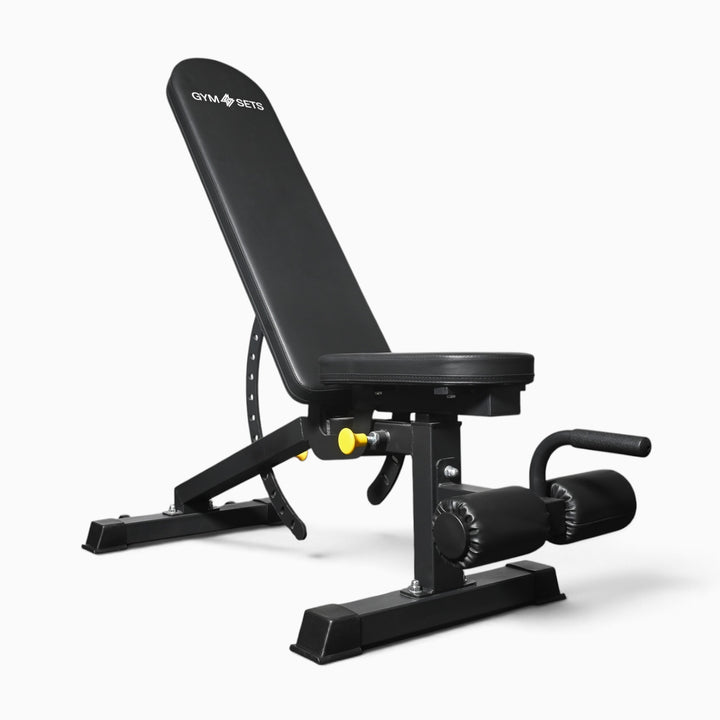
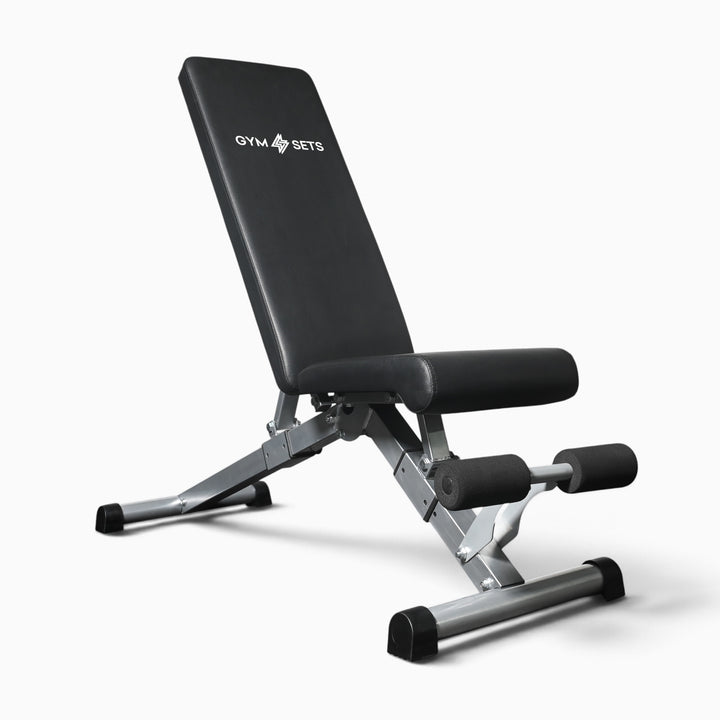
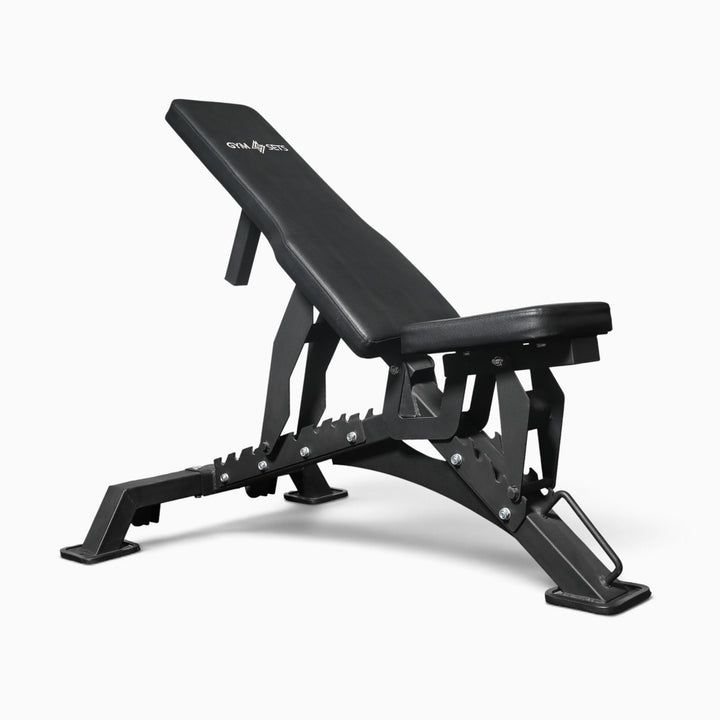
- Lean-Away Lateral Raise: Involves holding a stable support while leaning away from the working arm. An incline bench can also be used for support.
- Machine Lateral Raise: Uses padded arm supports and guided resistance for a stable setup. Focus on controlled repetitions to isolate the side deltoids.
- Short-Lever, Poliquin, and Y-Raise Variations: Short-lever raises use bent elbows, while Poliquin raises involve partial repetitions. Y-raises involve lifting the arms diagonally into a Y-shape.
How Many Sets and Reps Should You Do?
Training volume affects how your shoulder muscles respond to exercise. Setting the right number of sets and repetitions can help match your workouts to your fitness goals.
Following the recommended sets and reps for bigger shoulders can help structure your training. Use these general guidelines as a reference:
| Training Goal | Sets | Reps | Rest Between Sets |
| Muscle Growth | 3–4 | 10-20 | 60–90 seconds |
| Strength | 3–5 | 6-10 | 2–3 minutes |
| Muscular Endurance | 2–3 | 15–20 | 30–60 seconds |
| Beginners | 2–3 | 10-15 | 60–90 seconds |
Adjust your training volume based on your experience, strength, and recovery. Consistent workouts and gradual progression can help you achieve better long-term results.
Frequently Asked Questions
Read the questions and answers below for more helpful information.
Are lateral raises good for building shoulders?
Yes, lateral raises help build wider shoulders by targeting the side delts. Pair them with overhead presses and rear delt exercises for balanced shoulder development.
Should you use heavy or light dumbbells for lateral raises?
Use a weight you can lift with proper form and control. Lighter dumbbells are often more suitable for avoiding swinging and maintaining tension on the shoulder muscles.
Can you do lateral raises every day?
Daily lateral raises training is generally unnecessary because your shoulder muscles need time to recover. Training them 2 to 3 times per week on non-consecutive days provides enough opportunities for muscle development and recovery.


